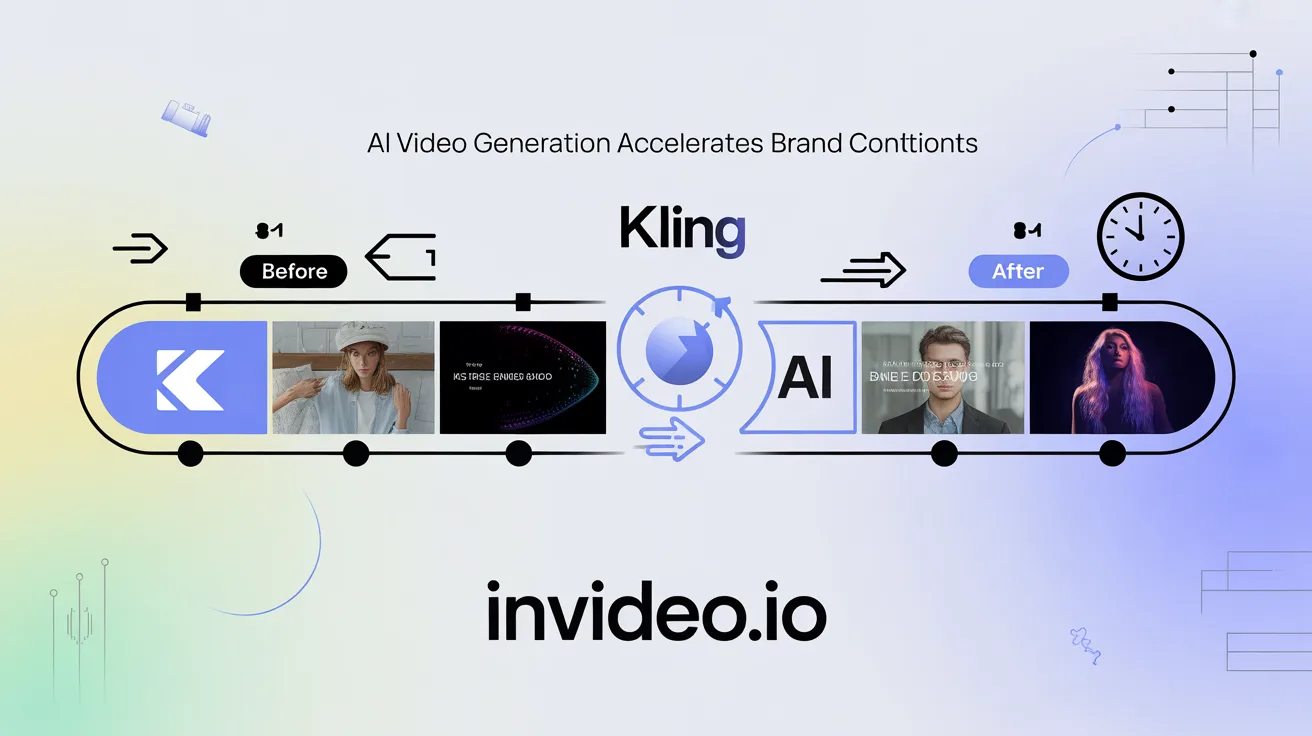
Video has become one of the most powerful tools for brands to communicate with their audiences. From product demonstrations and social media campaigns to brand storytelling and educational content, video plays a central role in modern marketing strategies. However, traditional video production often requires extensive resources, including filming equipment, editing software, and dedicated creative teams. These requirements can slow down production timelines and make it difficult for brands to keep up with the growing demand for video content.
Artificial intelligence is transforming this process by simplifying and accelerating how videos are created. AI-driven tools can automate many aspects of production, including scene generation, visual composition, and editing. As a result, marketing teams can focus more on creative direction and messaging while AI handles technical processes behind the scenes.
One technology that is gaining attention in this space is the kling ai video generator. This system enables creators to generate video sequences from prompts or scripts, reducing the time needed to move from concept to final output. Platforms such as invideo have explored the integration of this technology through innovations like VFX House, a next-generation video generation engine built on Kling O1 that provides creators with greater control over different elements of video creation.
With the increasing demand for quick, engaging content, AI-powered video generation is helping brands rethink how they produce and distribute video at scale.
The Growing Demand for Faster Video Content
The pace of digital marketing has accelerated dramatically in recent years. Social media platforms prioritize fresh content, audiences expect frequent updates, and brands must constantly adapt their messaging to stay relevant. In this environment, video content has become one of the most effective ways to capture attention and communicate ideas.
However, traditional production methods can slow down marketing teams. Creating a video typically involves multiple steps such as scripting, filming, editing, and post-production. Each stage requires coordination between creative professionals and technical specialists, which can extend the overall timeline.
AI-powered video tools address this challenge by streamlining several of these stages. Instead of building every scene manually, creators can rely on intelligent systems to generate visuals, structure sequences, and optimize pacing. This allows brands to produce high-quality video content in a fraction of the time.
For companies managing multiple campaigns simultaneously, faster production cycles provide a significant advantage. Teams can quickly respond to trends, update messaging, and launch new campaigns without waiting weeks for production to finish.
How the Kling AI Video Generator Helps Brands Produce Videos Faster
The kling ai video generator is designed to simplify and accelerate the video creation process through generative AI technology. By interpreting prompts, scripts, or conceptual ideas, the system can automatically generate video sequences that match the intended narrative or visual direction.
Innovations such as the collaboration between invideo and Kling AI through VFX House highlight how advanced generative engines are being integrated into modern content creation workflows. Built on Kling O1, this engine enables creators to control multiple elements of a video while reducing the time required to construct scenes and visual transitions.
Automated Scene Creation
One of the key capabilities of generative video technology is automated scene creation. Instead of sourcing footage or filming new material, creators can describe a scene and allow the AI system to generate visuals that match the description.
This significantly reduces the time spent gathering assets and assembling clips. Marketing teams can quickly experiment with different visual concepts and storytelling approaches without repeating the entire production process.
Automated scene generation also allows creators to maintain visual consistency across multiple videos, making it easier for brands to produce cohesive campaigns.
Rapid Video Editing
Editing is often the most time-intensive part of video production. Adjusting transitions, trimming clips, aligning visuals with audio, and refining pacing can take hours of manual work.
AI-driven tools simplify these tasks by automatically analyzing footage and organizing scenes. Algorithms can suggest transitions, adjust timing, and structure sequences in ways that enhance the overall flow of the video.
For brands producing frequent content, faster editing means campaigns can move from concept to publication much more quickly.
Text-to-Video Workflows
Another feature that accelerates video production is text-to-video generation. With this approach, creators can input scripts or descriptive prompts and allow the AI system to generate corresponding visuals and sequences.
This process reduces the need for manual editing and allows marketers to quickly transform written content into video formats. Blog posts, marketing messages, or social media ideas can become engaging videos within a short period of time.
Text-to-video workflows also encourage experimentation. Teams can test different narrative styles or visual approaches while maintaining fast production timelines.
The Role of AI Generated Video Apps in Modern Marketing
The rise of the ai generated video app ecosystem has significantly changed how brands approach video production. These applications combine artificial intelligence with user-friendly design, allowing creators to produce videos without requiring advanced technical skills.
Instead of navigating complex editing tools, users can rely on AI systems to organize scenes, generate visuals, and structure the video automatically. This accessibility allows marketing teams to create video content directly within a single platform, simplifying the overall workflow.
AI-powered video apps also make it easier to produce content consistently. Brands can generate multiple videos for different campaigns, platforms, or audiences while maintaining a cohesive style and messaging approach.
Another advantage is the ability to scale content production. As marketing strategies increasingly rely on video across websites, social media, and advertising channels, AI video apps enable teams to produce a larger volume of content without increasing production complexity.
Benefits for Marketing and Creative Teams
AI-driven video generation tools provide several advantages for teams responsible for content creation and marketing campaigns.
Faster Production Cycles
AI automates many repetitive tasks involved in video creation, enabling teams to complete projects much more quickly. This allows brands to launch campaigns faster and respond to emerging trends without long production delays.
Simplified Workflows
Traditional video production involves multiple tools and processes. AI-powered systems streamline these workflows by combining scene generation, editing, and visual composition within a single environment.
This simplification allows creators to focus on storytelling and strategy rather than technical processes.
Scalable Content Creation
Brands often require numerous videos for different marketing channels. AI tools make it easier to generate multiple variations of a video while maintaining visual consistency.
This scalability helps marketing teams expand their content strategies without increasing production effort.
Greater Creative Flexibility
When production becomes faster, creators can experiment with new ideas more freely. AI tools allow teams to test various storytelling styles, visual themes, and campaign messages without committing extensive resources.
This flexibility encourages innovation and helps brands discover new ways to engage audiences.
Common Use Cases for AI Video Generation
AI-powered video generation can support a wide range of marketing activities, making it a valuable tool for brands that rely on visual content.
Social Media Marketing
Social media platforms prioritize engaging video content. AI video generation enables brands to create short promotional clips, announcements, and storytelling videos quickly, ensuring a steady flow of content for different channels.
Product Demonstrations
Product videos help audiences understand features and benefits clearly. AI tools can generate visual demonstrations based on product descriptions or scripts, allowing brands to create informative videos without large production setups.
Educational and Explainer Videos
Explainer videos are commonly used to communicate complex ideas in a simple format. AI systems can convert written guides or instructional content into visual explanations, making information easier to understand.
Marketing Campaign Content
Marketing campaigns often require multiple variations of a video for different platforms and audiences. AI video generation enables brands to produce these variations quickly, helping campaigns reach a wider audience.
The Future of AI-Driven Video Production
The rapid evolution of generative AI technology is reshaping how videos are produced. As models continue to improve, AI systems will likely offer even greater control over visual style, motion, and storytelling elements.
Future developments may allow creators to generate entire video narratives using simple prompts or conceptual descriptions. Advanced generative engines could produce cinematic visuals within seconds, dramatically reducing the time required for production.
At the same time, deeper integrations between video platforms and AI technologies will further streamline workflows. Generative video engines built on advanced models demonstrate how AI can be embedded directly into creative platforms, allowing creators to move seamlessly from concept to finished video.
Conclusion
The demand for video content continues to grow as brands compete for audience attention across digital platforms. Traditional production processes can be time-consuming and resource-intensive, making it challenging for marketing teams to keep up with the pace of modern content creation.
AI-powered tools are changing this dynamic by simplifying workflows and accelerating production timelines. Technologies such as the kling ai video generator show how generative AI can transform written ideas or prompts into dynamic visual content quickly and efficiently.
Combined with evolving AI video applications and advanced generative engines, these tools are enabling brands to produce engaging videos faster than ever before. As AI continues to evolve, it will play an increasingly important role in helping businesses scale their video strategies and meet the growing demand for visual storytelling.